
 English
Nobody orders a container of customized interactive flat panels sight unseen. Between the handshake and the full production run, there's a sequence of samples — each one there to catch a different kind of problem before it costs real money. Skip a stage and the problem you were trying to avoid shows up at scale, where it's expensive.
Here's how the sample process actually runs on an OEM project, and what to check at each stage.
The three stages of an OEM sample
An OEM project moves through three distinct sample stages. They're not interchangeable, and they answer different questions.
Prototype sample. The first physical unit built to your spec. It answers one question: does the factory understand what you want? This is where you catch miscommunications — the wrong logo placement, a port layout that doesn't match your drawing, a software detail that got lost in translation.
Validation sample. The refined unit after you've fed back changes on the prototype. This is the one you test hard — touch accuracy, brightness, boot time, the custom firmware — and it answers: does the product actually work to spec?
Pilot order. A small production batch, typically a fraction of the full order, built on the real production line. This answers the last question: does the factory's production match the approved sample? This is where you catch the gap between "the lab built one good unit" and "the line can build a thousand."
What to check at each stage
Each stage has its own checklist, and checking the wrong thing at the wrong stage wastes time.
At prototype stage, focus on correctness — did they build what you asked for? Logo position, ports, enclosure, packaging, the boot screen. Don't nitpick fit-and-finish here; that's not what the prototype is for.
At validation stage, test the specs that matter to your customers. Touch accuracy and response time, brightness, the firmware behavior, connectivity. This is where you catch a panel that looks right but doesn't perform.
At pilot stage, check consistency. Pull several units and confirm they match the approved sample and each other. A factory that nails one prototype but drifts on the line is a common failure — the pilot order is your chance to catch it before the full run.
Why the pilot order is the stage buyers skip — and regret
The pilot order is the stage most buyers are tempted to skip, because it feels like ordering twice. That's a mistake, and it's usually the expensive kind.
A prototype proves the factory can make one. Only a pilot order proves the factory can make many, consistently, on the production line. The difference between those two things is exactly where OEM projects go wrong — a beautiful prototype followed by a full run that doesn't match it. We cover the same "verify before you commit" principle in our guide to evaluating IFP samples before bulk orders.
A factory that pushes back on a pilot order — or won't do samples at all — is telling you something about how it runs production.
What a factory's testing story tells you
The factory's own testing infrastructure is the difference between a sample that's good because they got lucky and one that's good because it's repeatable.
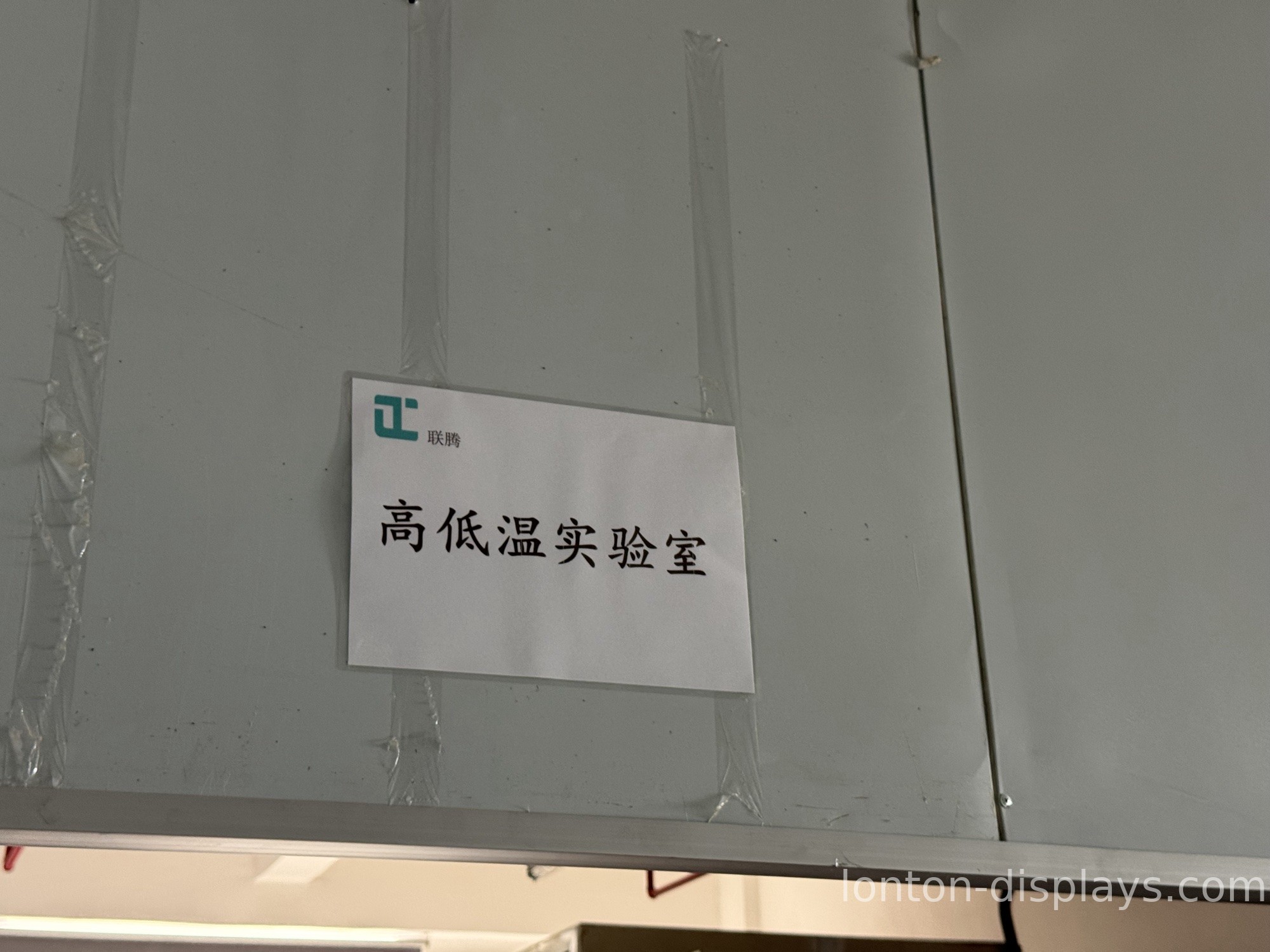
A factory with its own reliability lab can show you how it tests — the panels under load, temperature cycling, continuous operation — rather than just telling you the sample passed. A factory with its own LCD module workshop and sheet-metal fabrication controls the parts that go into your sample, so the pilot order comes off the same line as the sample, not a different one. Ask about the lab and the process, not just the sample itself.
How Lonton runs the sample process
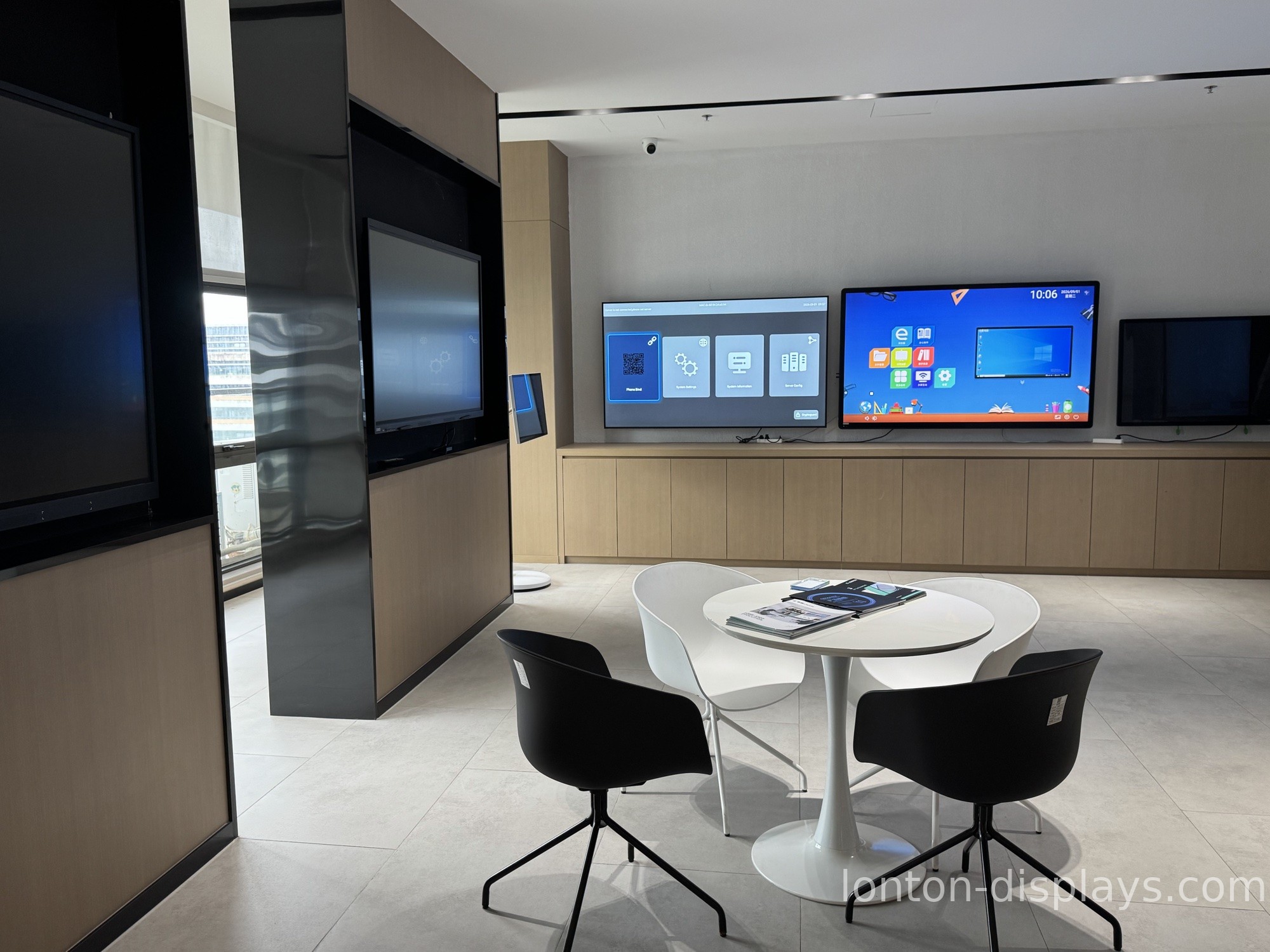
Lonton has been manufacturing interactive flat panels since 2005, and the sample process is built into how we work with OEM customers. We support a flexible MOQ of 5 units, so a pilot order is a real, small batch you can afford to run — not a full container you have to gamble on.
Because we run our own LCD module workshop, sheet-metal fabrication and ORT reliability lab, the sample you approve is built on the same line and tested the same way as the full run. That's the whole point of a sample process — closing the gap between prototype and production.
If you're starting an OEM project, contact us and we'll walk you through the sample timeline for your spec. You can also read how the manufacturing itself works in our OEM manufacturing guide.
Frequently Asked Questions
What are the stages of an OEM sample?
Prototype sample, validation sample, then a pilot order. Each answers a different question: did they understand the spec, does it perform, and does production match the sample.
Why do I need a pilot order?
The pilot order is a small production batch that proves the factory can build many units consistently, not just one good prototype. Skipping it is where OEM projects most often go wrong.
What should I check on a prototype sample?
Correctness — logo position, ports, enclosure, packaging and boot screen. Confirm they built what you asked for before moving to performance testing.
How does a factory's own testing lab matter?
A factory with its own reliability lab can show how it tests, not just claim the sample passed — which is the difference between lucky and repeatable quality.
What MOQ do I need for a pilot order?
It varies by factory. Lonton supports a flexible MOQ of 5 units, so a pilot order is a small, affordable batch rather than a full container.