
 English
If you are pricing an interactive flat panel for a classroom, conference room, or training center, you have probably noticed that quotes can vary by thousands of dollars for screens that look nearly identical. The price difference is rarely random. It comes down to a handful of technical and manufacturing choices that buyers can control once they understand them.
This guide breaks down what actually drives interactive flat panel price, what a fair range looks like at each screen size, and where factory-direct suppliers like Lonton fit into the picture.
What Determines Interactive Flat Panel Price
Four factors account for most of the gap between two seemingly similar panels.
Screen Size
Size is the single biggest cost driver. A 65-inch panel and a 98-inch panel can differ by several thousand dollars, and the gap grows faster than the diagonal measurement suggests. Large panels cost more to manufacture, ship, and install, so the cost per inch rises as you go up in size. Lonton offers the full range from 65-inch up to 110-inch, so buyers can match the panel to the room instead of paying for a size they do not need.
Touch Technology
Infrared (IR) touch frames, which use a grid of LED emitters and receivers around the bezel, deliver reliable 40-point multitouch at a lower cost than capacitive alternatives. IR is the standard for classrooms and meeting rooms because it works with fingers, styluses, and gloves with no calibration needed. Panels that advertise capacitive or P-Cap touch usually cost more, but for collaborative whiteboarding the IR experience is often equal or better at a lower price. Here's how infrared touch actually works.
Resolution and Brightness
A 4K UHD (3840 × 2160) panel is now standard and no longer commands a big premium. Brightness matters more for value: 350 cd/m² with anti-glare tempered glass is the sweet spot for indoor rooms, while brighter panels built for sunlit retail windows push the price up without adding much indoors.
Built-in System and OPS Slot
A panel with Android 13 built in (4 GB RAM + 32 GB ROM) runs common whiteboard and video-call apps out of the box. An optional OPS slot lets you slide in a Windows 11 Pro module for full PC functionality. Picking the right combination up front avoids paying twice — either for features you will never use, or for an upgrade path you did not plan. Read how the Android + Windows dual system works.
Interactive Flat Panel Price by Screen Size
Interactive flat panel price varies by market and configuration, but as a general reference for a commercial-grade 4K panel with IR touch:
| Screen Size | Typical Price Band | Best Fit |
|---|---|---|
| 65-inch | Entry range | Small meeting rooms, individual classrooms |
| 75-inch | Mid range | Standard classrooms, huddle spaces |
| 86-inch | Upper mid | Larger classrooms, training rooms |
| 98-inch to 110-inch | Premium range | Lecture halls, boardrooms, auditoriums |
These are directional figures, not quotes. The final interactive flat panel price depends on panel grade, built-in system, OPS module, accessories like a 4K camera or microphone array, and order quantity. The fastest way to a real number is to send your size and configuration to a manufacturer directly.
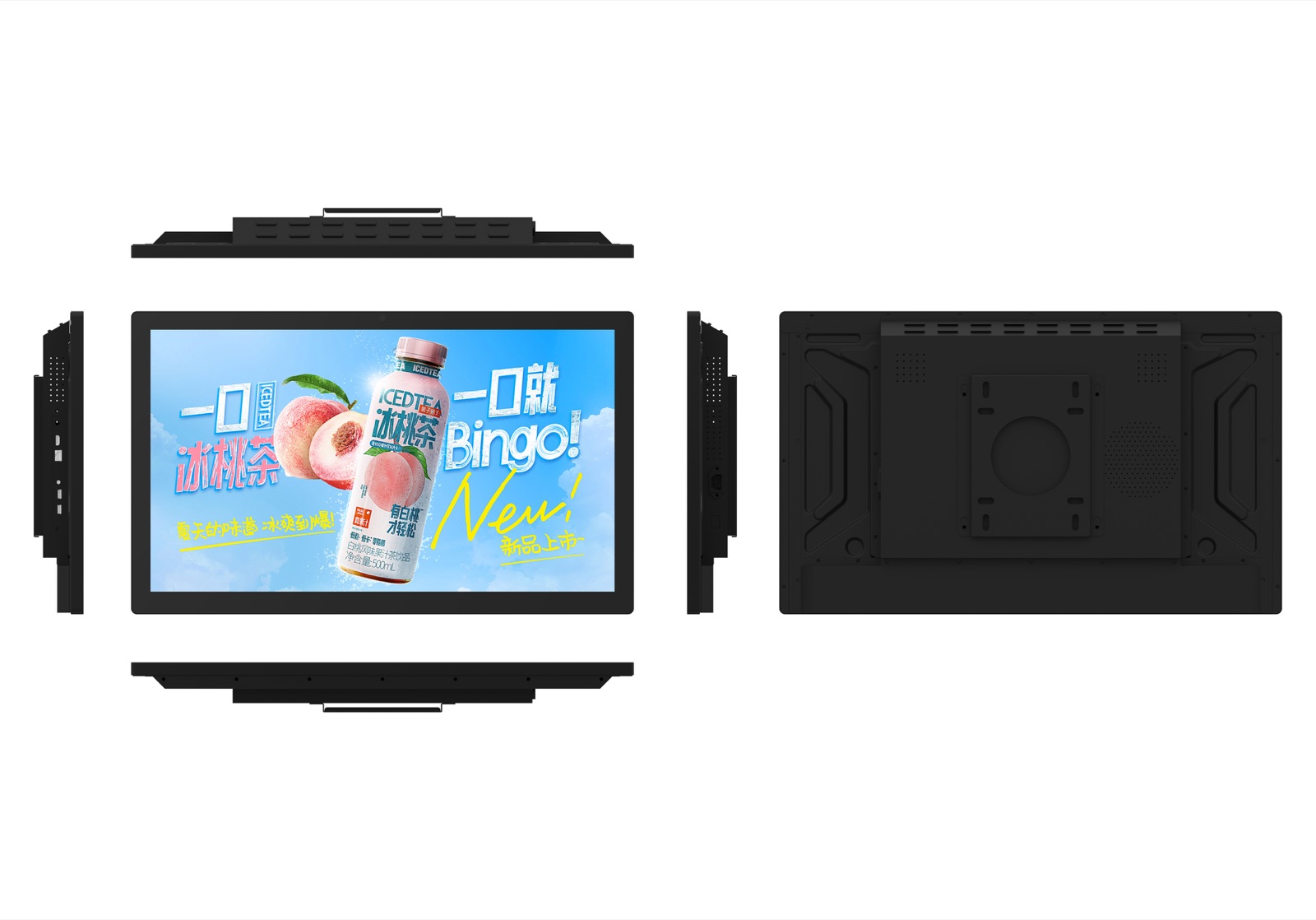
Why Factory-Direct Suppliers Offer Better Interactive Flat Panel Prices
The biggest hidden cost in an interactive flat panel quote is the supply chain. When a buyer purchases through a reseller or a brand that outsources production, several layers of markup get added before the screen reaches them.
Lonton is a direct manufacturer. The company was founded in 2005, operates a 100,000+ m² facility with 15 production lines, and ships more than 10,400 units per month. Panels use genuine LG LCD screens rather than third-party substitutes, and the factory produces its own mounting brackets in-house — a detail that keeps both cost and lead time down. With ISO 9001, ISO 14001, and ISO 45001 management systems plus CE, FCC, and RoHS certification, factory-direct pricing does not mean cutting corners on quality or compliance.
For buyers who need custom hardware, Lonton handles full OEM/ODM work — logo, boot screen, packaging, and manuals — with a flexible minimum order quantity that lets new buyers start with a small trial order before committing to volume. See how OEM interactive flat panel manufacturing works.
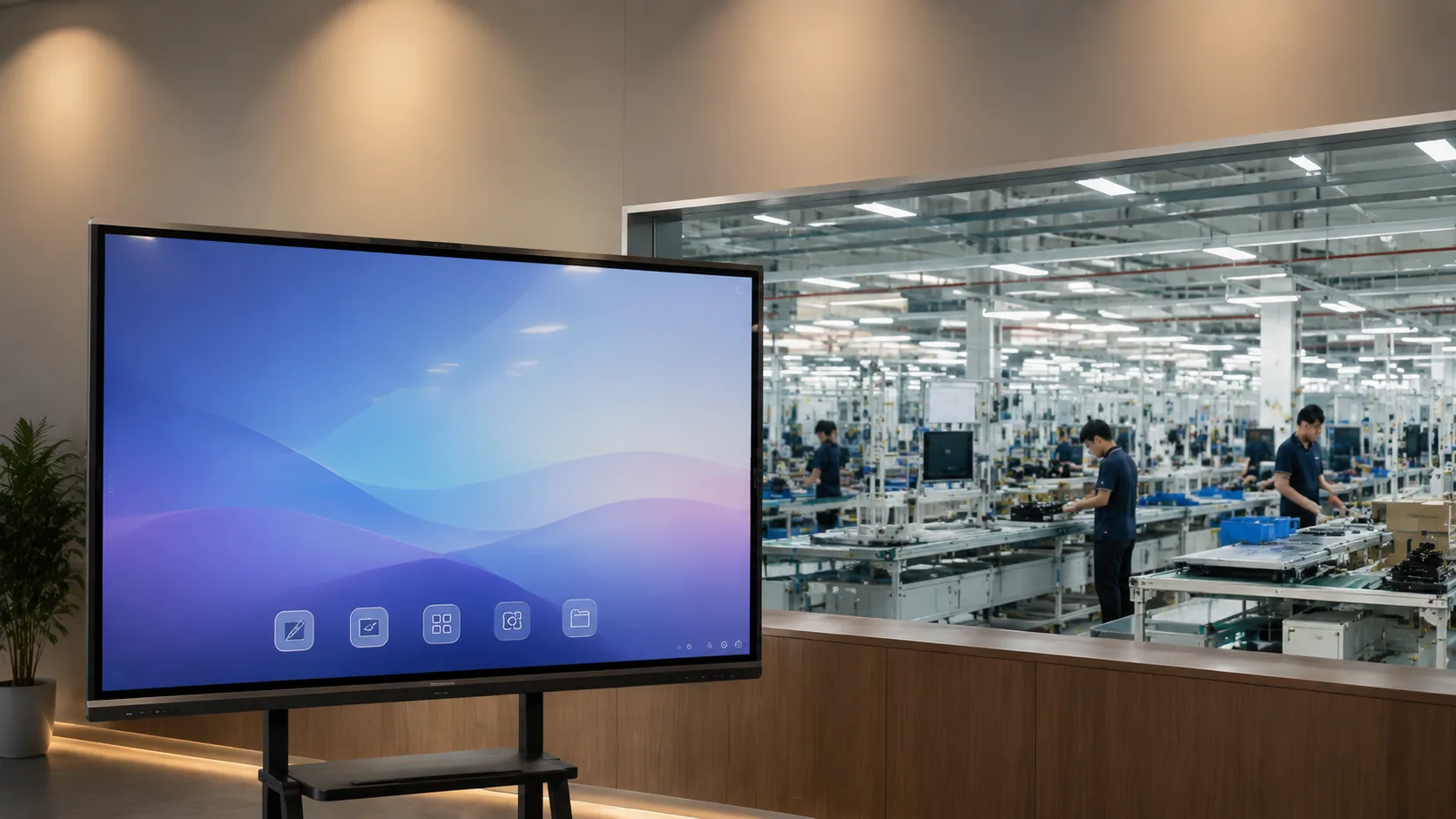
What to Check Beyond the Price
A low interactive flat panel price is only a good deal if the panel lasts. Three checks matter as much as the number on the quote:
- Panel grade. Ask whether the LCD is a genuine original panel. Substituted panels are the most common way low-cost suppliers hide margin.
- Yield and pass rate. Lonton reports a 98% first-pass yield and a 99.95% quality pass rate, which means fewer defective units reaching the customer.
- Certifications. CE, FCC, and RoHS are the minimum for export markets; ISO certifications signal that production processes are controlled and repeatable. See which certifications matter for an IFP.
Get a Factory-Direct Quote
Rather than comparing reseller quotes that carry markup, go to the source. Tell us your target screen size, how many units you need, and whether you need OEM customization, and we will send a factory-direct interactive flat panel price with a lead time — no obligation, and a flexible MOQ for first orders.
Contact us for a quote | Browse interactive flat panels
Frequently Asked Questions
How much does an interactive flat panel cost?
Commercial-grade 4K panels with IR touch typically range from the low thousands of dollars for a 65-inch model to well into five figures for a 110-inch lecture-hall display. Exact pricing depends on size, system configuration, accessories, and order quantity.
What size interactive flat panel do I need?
65-inch works for small rooms, 75-inch is the standard classroom size, and 86-inch and above suits larger training rooms and lecture halls. Match the panel to room width and viewing distance rather than buying the largest available size.
Is IR touch better than capacitive for classrooms?
For education and meeting-room use, IR 40-point touch is usually the better value — it is reliable, works with fingers, styluses, and gloves, and needs no calibration. Capacitive costs more and rarely adds benefit for collaborative whiteboarding.
Why are factory-direct panels cheaper?
Direct manufacturers cut out reseller and brand markup and often produce key parts in-house. Lonton makes its own mounting brackets and uses genuine LG panels, which keeps cost and lead time down without sacrificing quality.
Does Lonton support OEM/ODM orders?
Yes. Lonton provides full OEM/ODM customization including logo, boot screen, packaging, and manuals, with a flexible minimum order quantity so new buyers can start with a small trial order.