
 English
Putting your brand on a product someone else builds is one of the fastest ways to launch a line — and one of the easiest places to lose control of your own brand. The difference between a private label that works and one that backfires comes down to what you lock in before the first unit ships.
This guide is about the part of private labeling nobody puts in the brochure: how to protect the brand you're building while a factory manufactures the product.
What private labeling actually involves
Private labeling on an interactive flat panel means the factory builds the panel and you sell it under your own brand. In practice that covers:
Branding — your logo on the bezel, the boot screen and the packaging.
Exclusivity — agreement on where and how the product is sold, so you're not competing against the same panel under someone else's name.
Documentation — manuals, spec sheets and support material in your brand voice.
Support — who handles customer questions and warranty claims, and how.
The branding is the easy part. Exclusivity and support are where the relationship either holds your brand together or quietly erodes it.
Why exclusivity is the thing to lock in writing
Here's the risk most private label buyers don't think about until it happens: the factory makes a good panel, you build demand for it, and then the same panel shows up under a competitor's brand — or under the factory's own name, sold direct at a lower price.
Exclusivity protects against that, and it has to be in writing. The key questions:
Territory — is the exclusivity by country, by region, or not at all?
Product — is the exclusivity tied to a specific model or configuration you've specced?
Duration — how long does it last, and what renews it?
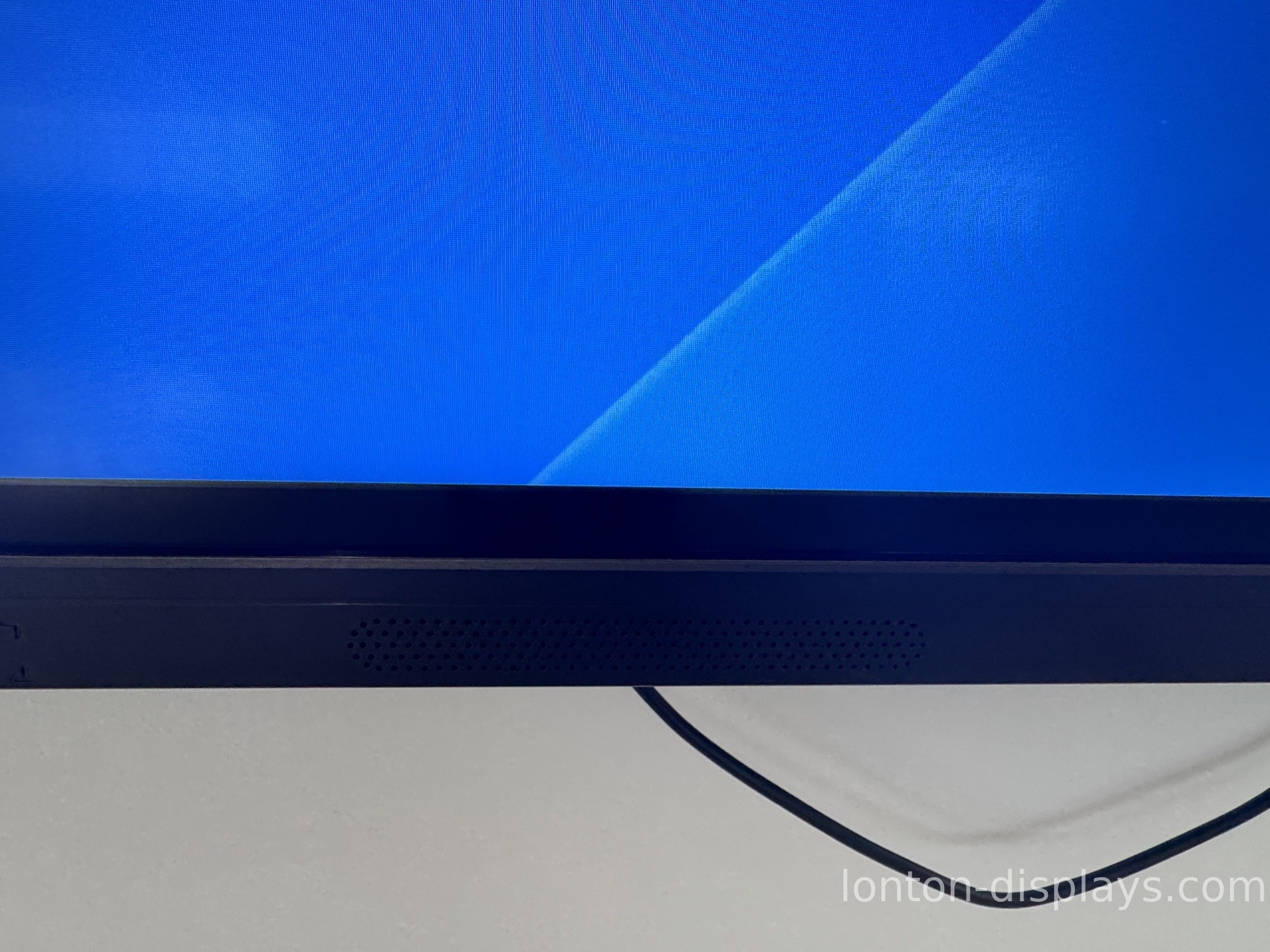
A factory that won't discuss exclusivity in writing is telling you something about how it intends to sell. The customization you lock in — the specific enclosure, port layout or firmware — is itself a form of protection, because a panel nobody else can source is a panel that can't show up under a competitor's name.
How the customization level doubles as brand protection
This is the connection most buyers miss: the further you customize, the harder your product is to copy. We break the levels down in our customization guide, and the logic applies directly to brand protection.
A logo-only private label can be replicated in an afternoon by any factory with the same stock panel. A customized enclosure, a specific port layout, or firmware tuned to your market is a product that only your factory can produce — which makes it both harder to copy and easier to enforce as "yours." Customization isn't just about differentiation; it's the moat around the brand.
What to protect, in order
When you're setting up a private label, protect these in roughly this order:
1. The written agreement — territory, exclusivity, duration and who owns the tooling.
2. The customization — the specific enclosure, firmware or ports that make the product yours.
3. The trademark — register your brand in the markets you sell into, independent of the factory.
4. The documentation — manuals and spec sheets in your voice, which you control.
5. The support channel — know who answers customer questions so the brand experience stays consistent.
How Lonton supports private label partners
Lonton has been manufacturing interactive flat panels since 2005, and private label is a core part of the business — we build panels that carry our customers' brands, not just ours. That means the branding, customization and exclusivity are things we're set up to do properly rather than as an afterthought.
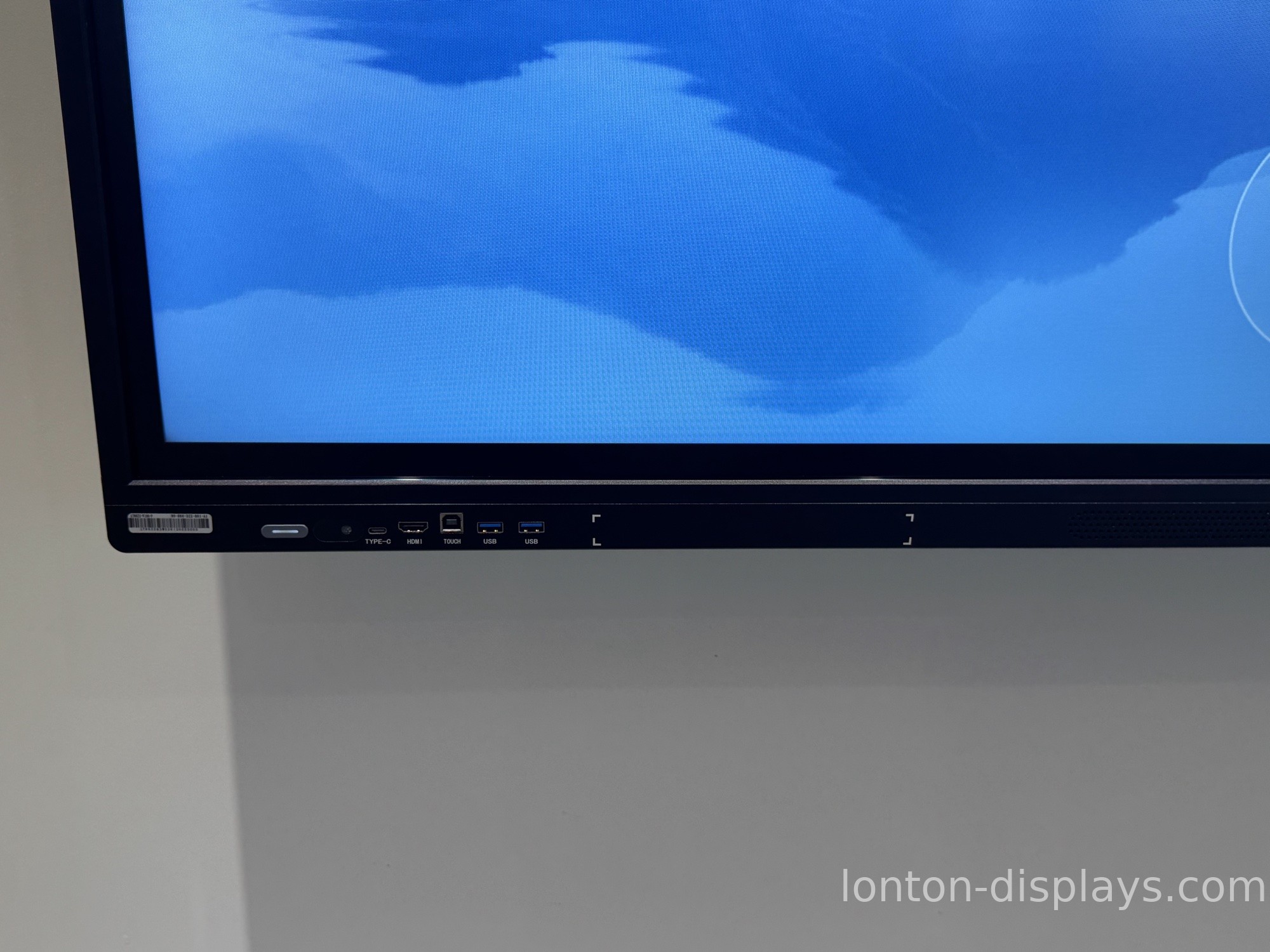
Because we fabricate our own sheet-metal enclosures and run our own LCD module workshop, the customization that protects your brand — a specific port layout, a custom enclosure, tuned firmware — is engineered in-house. Logo branding, boot screens, packaging and manuals are standard, and we work with partners on territory and exclusivity terms up front rather than leaving it unspoken.
If you're launching a private label interactive flat panel, contact us and we'll walk through branding, customization and the terms that protect your brand. You can also browse the interactive flat panel range.
Frequently Asked Questions
What is private labeling for interactive flat panels?
The factory builds the panel and you sell it under your own brand — including logo, packaging, documentation and support, with agreed exclusivity.
How do I protect my brand when the factory builds the product?
Lock exclusivity and territory in writing, customize the product so it can't be copied, register your trademark, and control the documentation and support.
Why does customization protect my brand?
A logo-only label can be replicated by any factory with the same stock panel. A customized enclosure, port layout or firmware is a product only your factory can produce.
What should a private label agreement include?
Territory, product and duration of exclusivity, and who owns the tooling. A factory that won't put these in writing is a warning sign.
Does private labeling cost more than buying stock panels?
Logo branding is a small per-unit cost. Customization adds cost and lead time, but it's also what protects the brand and creates margin.