
 English
Korea is one of the most digitally mature education markets in the world — classrooms there went interactive years before most of Europe, and the demand for interactive flat panels is steady rather than a trend. That maturity cuts both ways for a buyer: you're buying into a market that understands the product, but you're also buying into a market with two powerful domestic brands on the home field.
For an importer, a distributor or a school procurement officer, the question isn't whether interactive flat panels belong in Korean classrooms and meeting rooms — it's how to buy them well in a market where Samsung and LG are the default assumption.
What's different about the Korean market
Three things shape buying decisions in Korea more than elsewhere:
Strong domestic brands. Samsung and LG own the mindshare. That's the baseline you're competing against, and it means price is the most direct lever a factory-direct supplier has — the domestic brands carry a brand premium that a direct-from-factory panel doesn't have to.
High product maturity. Korean buyers know the technology. They ask about touch points, brightness, OPS compatibility and certification — the same questions a well-informed international buyer asks, which means the panel has to hold up under real scrutiny, not just look good in a spec sheet.
Certification expectations. Korea requires its own safety certification for electronic products, and buyers expect it to be in order before the panel ships. We cover that in our KC certification guide.
Factory-direct vs domestic brands: where the value is
The core decision for a Korean buyer is the same as anywhere else, but the gap is wider because the domestic brands are priced at a premium.
A factory-direct panel skips the brand markup and the distributor layers. For a school district outfitting dozens of classrooms, or a distributor building a private-label line, that price gap is the whole margin. The trade-off is that you're taking on the sourcing, the certification and the support yourself — which is why the factory's own manufacturing matters so much.
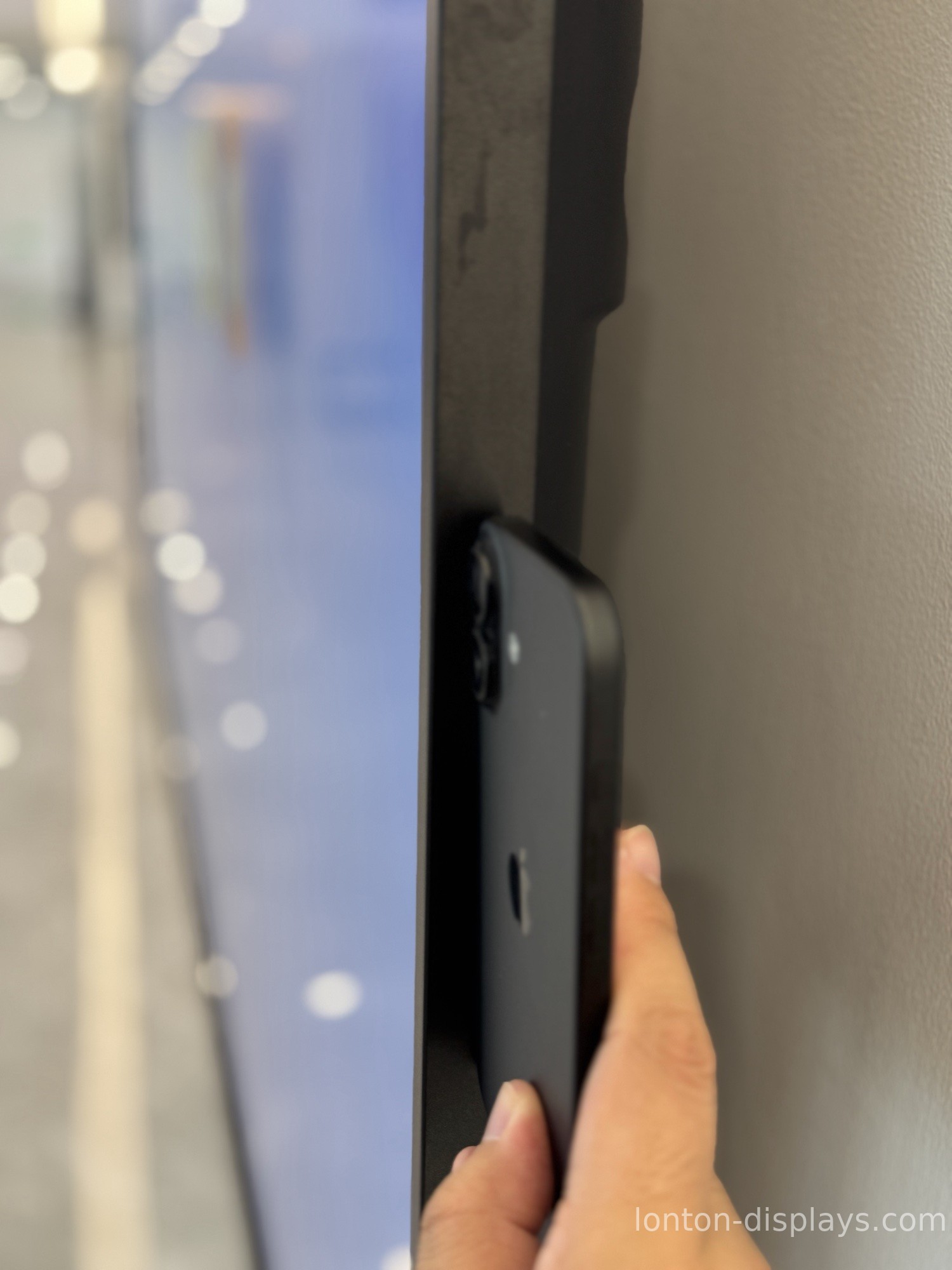
A factory that makes its own LCD modules and sheet-metal parts can deliver a panel that competes with domestic brands on build quality while beating them on price. An assembler buying generic parts can match the price but not the quality, and in a market as informed as Korea's, that difference gets found out quickly.
What Korean buyers should check
When you're sourcing for the Korean market, these are the checks that matter:
1. Certification — KC certification has to be in place or arranged before the panel ships; don't leave it to the last step.
2. Build quality — in a Samsung-and-LG market, the panel has to hold up under direct comparison.
3. Full size range — Korean classrooms and meeting rooms vary; a supplier with the full 65-inch to 110-inch range covers more of them.
4. OEM and private label — if you're a distributor, the ability to brand the panel as your own is the path to margin, which we cover in our private label guide.
5. Factory-direct support — ask who handles warranty and after-sales, not just who ships the panel.
How Lonton fits the Korean market
Lonton has been manufacturing interactive flat panels since 2005, and the factory-direct model is exactly what a price-sensitive, informed market like Korea rewards — and we already manufacture panels for Korean-market customers on an OEM basis, so we know the market's specification and certification expectations first-hand. We run our own LCD module workshop and sheet-metal fabrication, so the panel competes with domestic brands on build quality while selling at a factory price — the gap that matters when you're outfitting dozens of classrooms or building a distributor line.
Our panels span 65-inch to 110-inch, use 40-point infrared touch, run Android 15 built-in, and carry ISO 9001/14001/45001 plus CE, FCC and RoHS — with certification for specific target markets arranged as part of the order. For more on that, see our certification guide.
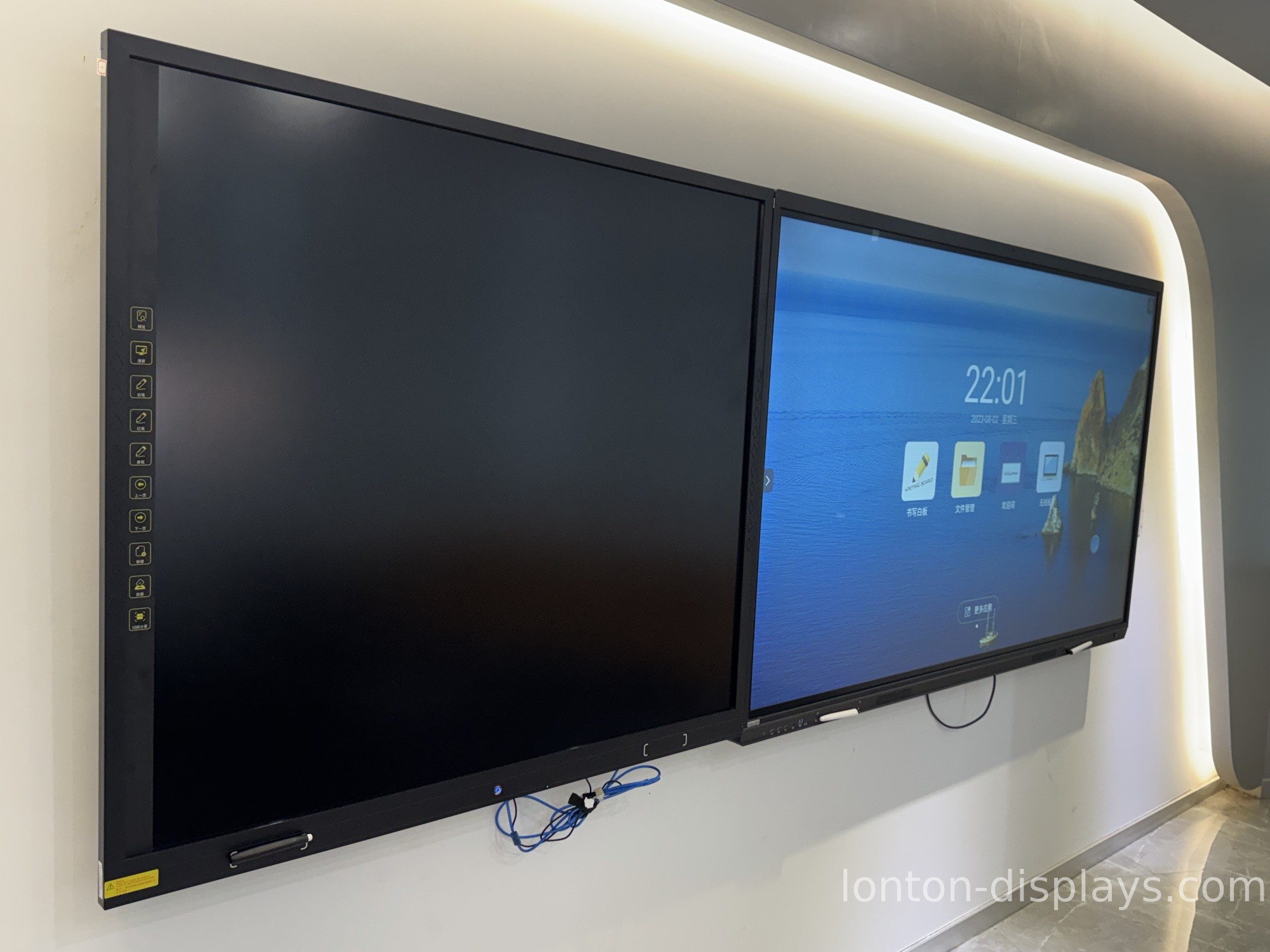
If you're sourcing interactive flat panels for the Korean market, contact us and we'll walk through the spec, certification and pricing for your use case. You can also browse the interactive flat panel range.
Frequently Asked Questions
Are interactive flat panels common in Korea?
Yes — Korea is one of the most digitally mature education markets in the world, and interactive flat panels are standard in classrooms and meeting rooms.
Is it cheaper to buy factory-direct than from Samsung or LG?
Factory-direct panels skip the brand and distributor markup, which is the main price lever. The trade-off is that you take on sourcing, certification and support yourself.
Do I need special certification to sell interactive flat panels in Korea?
Yes — Korea requires its own safety certification (KC) for electronic products, which needs to be in place before the panel ships.
Can I private label an interactive flat panel for the Korean market?
Yes — OEM and private labeling is a common path for Korean distributors to build margin. See our private label guide for how it works.
What sizes do Korean classrooms need?
It varies, but a supplier with the full 65-inch to 110-inch range covers the spread of classrooms and meeting rooms in the market.