
 English
Importing interactive flat panels into Korea has one built-in advantage most markets don't offer: the route from a Chinese factory to a Korean port is short. That changes the logistics math — shorter transit, lower freight, faster turns — but it doesn't remove the other parts of importing, and those are where first-time importers stumble.
Here's the process in order, with the parts that matter most for Korea called out.
Why the China-to-Korea route changes the math
Korea is close to China's manufacturing base, and that closeness shows up in the logistics. A shipment from a Chinese port to Incheon or Busan clears in days, not weeks — which means faster turns, less capital tied up in transit, and the ability to run smaller, more frequent orders instead of committing to one huge container.
That short route is a genuine advantage for a Korean importer, but it only pays off if the other parts of the process — documentation, certification, customs — are handled cleanly. A fast ship doesn't help if the panel sits at the port waiting on paperwork. We cover the certification piece in our KC certification guide.
Step by step: what the import process looks like
Lock the order details first. Size, quantity, specification and — critically for Korea — the certification status. KC certification has to be sorted before the panels ship, not after they land.
Choose the shipping method. For interactive flat panels, sea freight is the default. The China-to-Korea route is short enough that even sea freight is fast, and the per-unit cost is the lowest.
Prepare the documentation. The export side needs a commercial invoice, packing list, bill of lading and the certification documents. The HS code for interactive flat panels needs to be confirmed with your forwarder before the shipment leaves.
Clear customs. The importer in Korea handles customs clearance, using the documentation and the KC mark. This is where a missing or incomplete document stalls the whole shipment.
Inspect on arrival. Check for transit damage before you sign, and photograph anything that's off. Interactive flat panels are fragile, and a freight claim needs the evidence from the moment of arrival.
What to get right before the container leaves
The mistakes that cost an importer money almost all happen before the goods ship:
Certification. If KC isn't in place, the shipment can be stopped at the port. This is the single most important thing to confirm early.
HS code. Interactive flat panels are classified under a specific HS code that affects duty. Confirm it with your forwarder before shipping, not after.
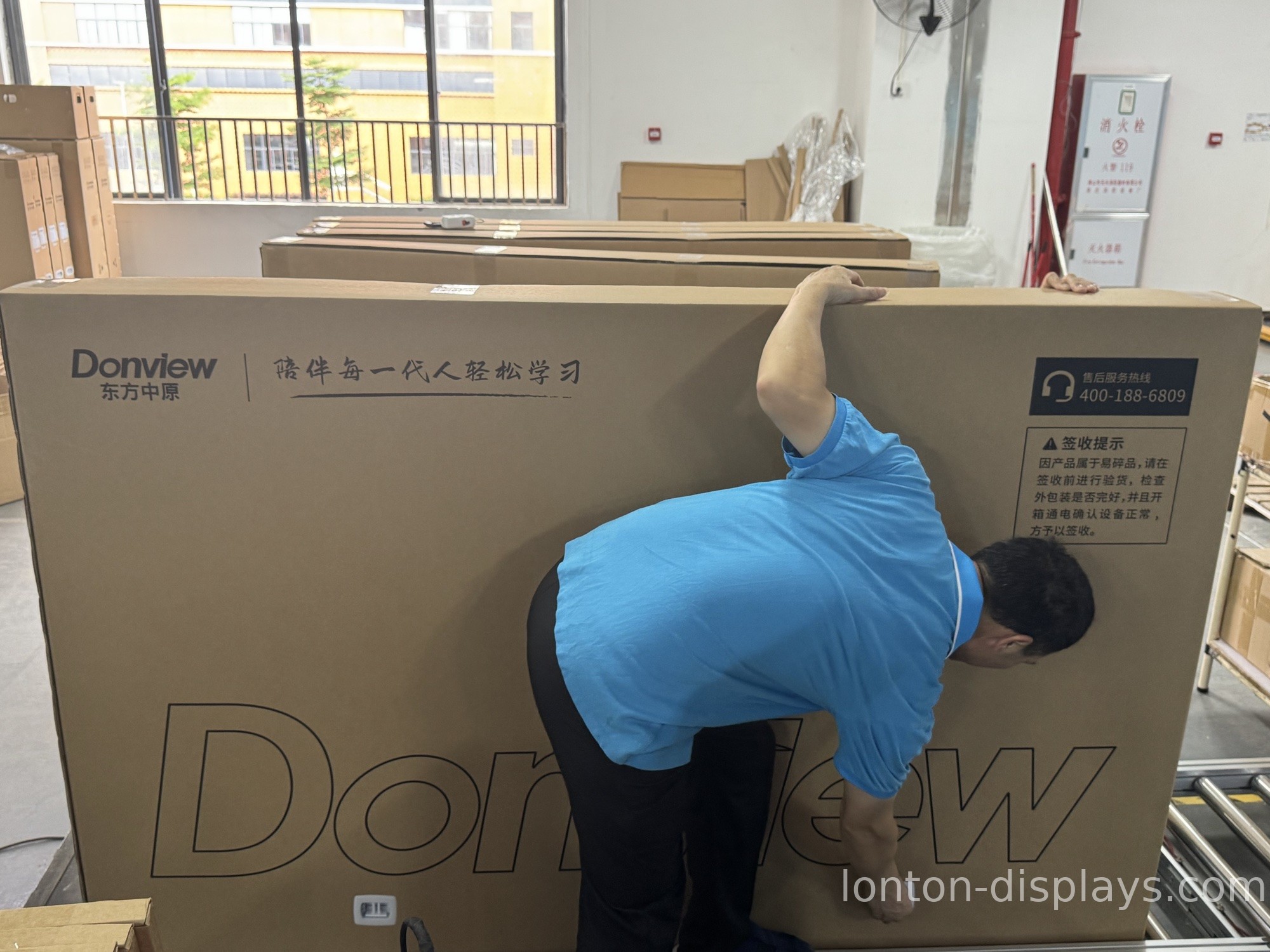
Packaging. A fragile glass panel has to be packed for a container journey — reinforced cartons, foam corners, proper strapping. Ask the factory for photos of how they pack.
Incoterms. Know whether you're buying FOB, CIF or DDP, because it determines who owns the risk and cost at each stage. We cover the options in our payment terms guide.
How the short route changes how you should order
Because Korea is close, the smart play is usually smaller, more frequent orders rather than one big annual container. That approach lowers inventory risk, keeps capital turning, and lets you adjust to market demand quickly — and it's only practical because the transit time is short enough to make frequent turns economical.
It also plays to a factory's flexibility. A supplier with a low MOQ and fast lead time fits a frequent-order strategy; one that demands full containers forces you back into the annual-buy model the short route was supposed to free you from.
How Lonton fits Korean imports
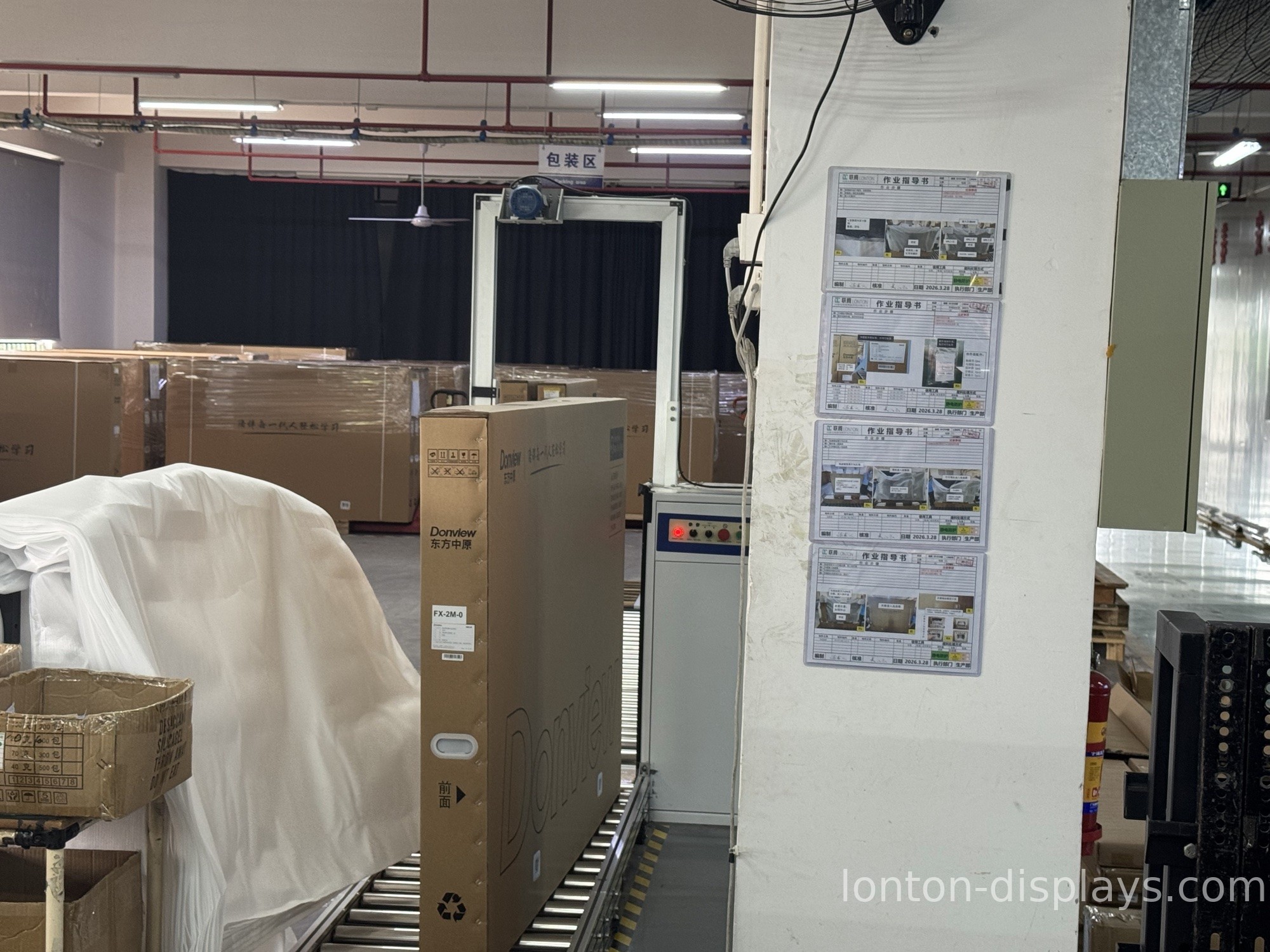
Lonton has been manufacturing interactive flat panels since 2005, and the short China-to-Korea route is a natural fit for how we run — we already manufacture panels for Korean-market customers on an OEM basis, so the shipping, documentation and certification path is one we've walked. Our production lead time is typically 15 to 25 days, and the MOQ is flexible at 5 units, so a Korean importer can run smaller, frequent orders and turn inventory fast instead of committing to one huge container.
We handle certification as part of the order — including KC for Korea — and our panels carry ISO 9001/14001/45001 plus CE, FCC and RoHS. For the full shipping picture, see our importing guide.
If you're planning an import into Korea, contact us and we'll lay out the timeline, certification and shipping for your order. You can also browse the interactive flat panel range.
Frequently Asked Questions
How long does shipping take from China to Korea?
The China-to-Korea route is short — sea freight clears in days, not weeks — which is faster than most other markets and changes the logistics math.
Do I need KC certification to import interactive flat panels to Korea?
Yes — KC certification has to be in place before the panels ship, or the shipment can be stopped at the port.
What documents do I need to import to Korea?
A commercial invoice, packing list, bill of lading and the certification documents. Confirm the HS code with your forwarder before the shipment leaves.
Should I order a full container or smaller batches for Korea?
Because the route is short, smaller, more frequent orders usually make more sense — they lower inventory risk and let you adjust to demand, and they're practical only because transit is fast.
What is the MOQ for importing interactive flat panels?
It varies by factory. Lonton's MOQ is flexible at 5 units, which suits a frequent-order strategy for the Korean market.