
 English
Interactive Flat Panel Price in Fiji: What to Budget in 2026
A school cluster in Suva was replacing whiteboards across several islands and ran into a Pacific-specific problem: the flat panels they could buy locally followed Australian/NZ specs, but the local prices were high because everything in Fiji arrives by sea and passes through a short chain of importers. They asked us if going factory-direct was even worth it for a mid-sized Pacific order.
The answer is yes — but only if you get the specs and the route right. Fiji runs on AS/NZS standards and 240V Type I plugs, and its distance from China makes freight the swing factor. Here's the 2026 breakdown for Fiji.
The Real Cost of an Interactive Flat Panel in Fiji
In 2026, an interactive flat panel reaches Fiji at two very different prices depending on how you buy it:
- Factory-direct FOB (China): roughly $1,200 to $2,800 for a standard 65–86 inch panel, depending on configuration and order size.
- Local retail price: often $3,000 to $6,000+, once import duty, AS/NZS clearance, freight, and the middleman's margin are added.
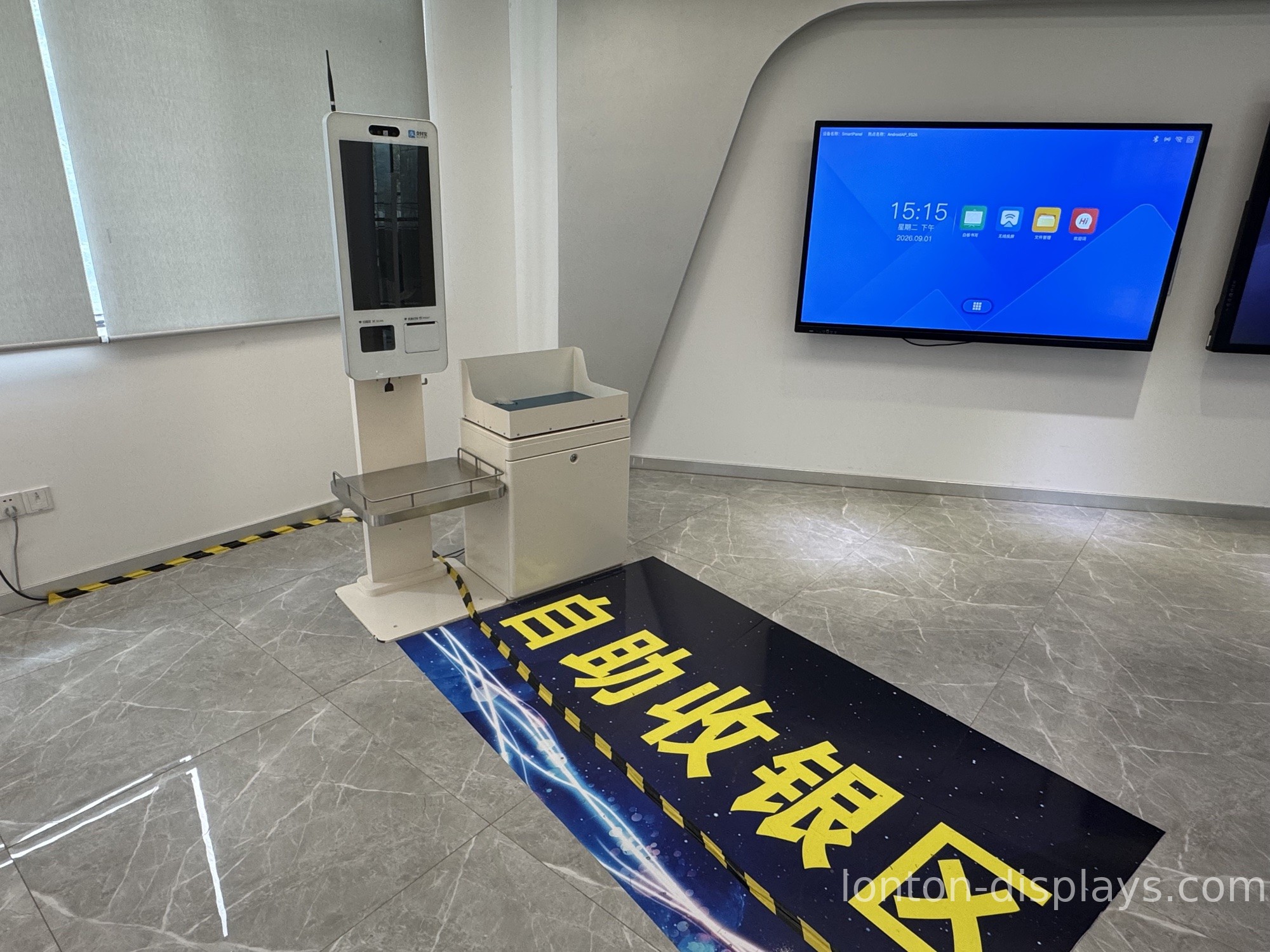
The gap isn't because the panel is different. It's because every step between the factory and Suva adds a layer — and much of that layer is avoidable when you buy in quantity.
Where the Extra Cost Comes From in Fiji
Import duty and AS/NZS clearance
Fiji applies import duty on electronics, and imported panels must clear AS/NZS (Australian/New Zealand) standards before entry. Both add cost on top of the landed value, and both move faster when the factory ships certified panels with the paperwork ready.
Freight and port costs
Panels ship by sea to Suva / Lautoka, then move inland. A single 65 inch panel costs far more per unit to ship than a container of 20. Bulk orders spread the freight and port charges thin.
Certification and power spec
For Fiji you want CE-marked panels with the correct power spec (240V) and the right plug (Type I (Australian)). A factory that ships CE/FCC/RoHS-certified panels with the AS/NZS paperwork ready saves you delays and rework at the port.
The markup between the factory and your invoice
Every middleman between the factory and you — the importer, the distributor, the local reseller — adds a percentage. For bulk buyers, that markup is the single biggest removable cost in the chain. Buying factory-direct means the price reflects the panel, not a chain of commissions.
Pacific Distance and Australia/NZ Specs
Fiji runs on AS/NZS standards — the same framework as Australia and New Zealand — and uses 240V with a Type I (Australian) plug. That's a real differentiator: a panel built for the European market won't be plug-and-play here. Buyers need the right voltage, the right plug, and ideally anti-glare glass and durable construction for humid, cyclone-prone island classrooms.
The other factor is distance. Panels arrive by sea through Suva and Lautoka, and for an island nation the per-unit freight can be the biggest single cost — which is why consolidation matters more here than almost anywhere. A school cluster buying together, factory-direct with AS/NZS specs, is the difference between an affordable rollout and an expensive one.
Buying Direct vs Through a Reseller in Fiji
Buying through local retail is convenient, but the local price includes a showroom, staff, and marketing — all of which land on your invoice. Buying factory-direct means you pay the FOB price plus freight and duty, and the middleman markup is gone.
If you're buying five panels or more — which is how most schools and enterprises order — factory-direct almost always wins. You pay the FOB price plus freight and duty, without the middleman markup in between. If you need a single panel quickly, buying locally is more practical, and you can still ask the supplier who their factory is before you commit.
Why Factory-Direct Beats Local Pricing in Fiji
Lonton is the factory. We build interactive flat panels in a 100,000+ m² facility with 15 production lines and a 23,000 m² Class 10,000 cleanroom, and we ship to Fiji factory-direct — so the price reflects components and labor, not a chain of markups.
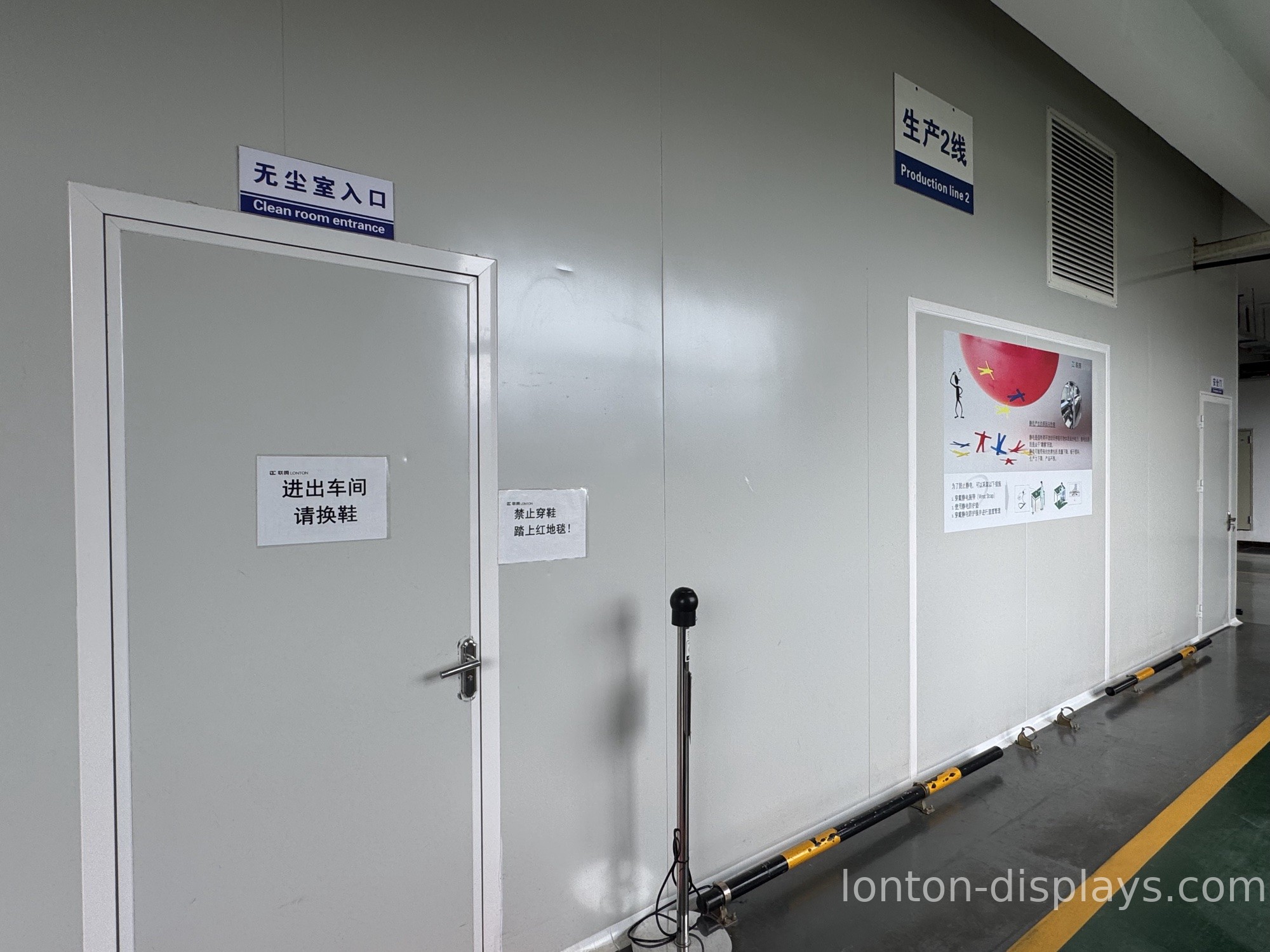
We build in 4K UHD, 40-point infrared touch, and Android 15 with an OPS slot for Windows 11 Pro, using BOE and CSOT panels. MOQ starts at 5 units, so a school's first order already gets factory pricing. We hold ISO 9001, 14001, and 45001 plus CE, FCC, and RoHS, and we've supplied organizations including T-Mobile, Shenzhen University, and Lexue Education.
Get a Landed-Cost Quote for Fiji
The fastest way to know your landed cost is to ask for a factory-direct quote with freight to Suva / Lautoka included. Tell us your size, quantity, and whether you need Windows OPS or a mobile stand, and we'll itemize the FOB price and shipping so you can compare it against any local quote.
FAQ
Does Fiji use Australian/NZ specs?
Yes — Fiji follows AS/NZS standards, 240V with a Type I (Australian) plug. Panels built for Europe won't be plug-and-play here.
How do panels reach Suva?
By sea through Suva and Lautoka. For an island nation, per-unit freight is a major cost, so consolidate orders.
What should I look for in a Fiji-ready panel?
240V Type I plug, anti-glare glass, and durable construction for humid, cyclone-prone classrooms.
Is factory-direct worth it for a Pacific order?
Yes, especially for a school cluster buying together — consolidation is what makes the freight affordable.
What's the minimum order?
Lonton's MOQ is 5 units.