
 English
Digital Smart Board Price in Nepal: What It Costs and Why (2026)
You searched digital smart board price in Nepal. You probably expected a number. Maybe a range. What you got instead were prices in Indian rupees from Delhi-based dealers, a couple of listings that do not ship to Nepal at all, and maybe a forum thread from two years ago with no clear answer. You closed the tab and realized you still cannot walk into your budget meeting with anything useful.
That is not on you. Here is why the number is hard to find — and what it actually looks like when you trace it from the factory to your wall.
Where the Price Actually Comes From
Most digital smart boards sold in Nepal — whether installed in a private school in Lalitpur or a corporate boardroom in Baneshwor — come from China. The supply chain usually looks like this.
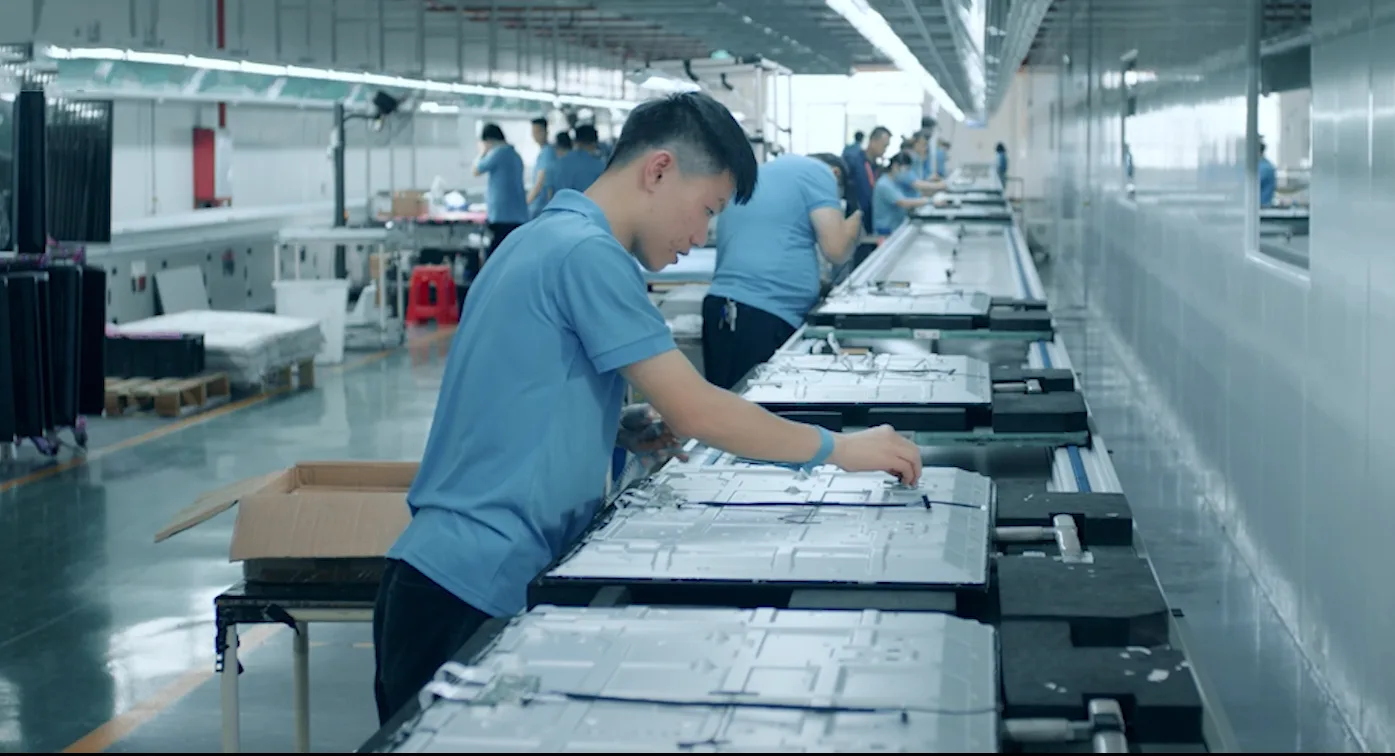
The board leaves a factory in China, typically from the Guangdong region where most interactive display manufacturers cluster. The FOB price — what the factory charges — covers the panel, the touch frame, the built-in Android board, and basic packaging. That is the first number. A basic 55-inch interactive flat panel at FOB starts around $500, and the price rises with size, touch technology, and configuration.
Then comes shipping. Sea freight from a southern Chinese port to Kolkata or Nhava Sheva — the two common entry points for Nepal-bound cargo. Container rates fluctuate, but even a small batch has a per-unit freight cost baked in. From the port, the cargo moves overland into Nepal — through Birgunj, Bhairahawa, or another border crossing. Overland freight into Nepal is its own cost line, and it is not trivial when you factor in road conditions and border clearance procedures.
Customs and duties hit next. Nepal applies its own tariff structure to electronic imports, and a digital smart board falls under electronic display equipment. The duty rate depends on the HS code classification and the declared value, but it adds a meaningful percentage to the landed cost. Then comes local delivery and the dealer's margin. By the time a board reaches a showroom in Kathmandu, it has passed through four or five hands, and every hand has added its markup.
What a Buyer in Nepal Should Watch For
Here is what trips up most buyers. The same board — same factory, same specs — can arrive at two wildly different prices depending on how it got to Nepal.
If you buy from a local dealer who imported a small batch through a third-party trading company, you are paying for the dealer's margin plus the trading company's markup plus whatever the importer added along the way. That is three layers between you and the factory. If you buy directly from a manufacturer who handles export documentation and ships to your freight forwarder, you cut those middle layers out. The difference shows up in the final number.
The second trap is specs that sound like features. A dealer might tell you a board has wireless casting but leave out that it needs a separate dongle or a paid license to activate. A board might list built-in Android but run a version that cannot handle the apps your school or office actually uses. The spec sheet looks fine. The classroom experience does not.
The third is after-sales. If a local dealer is the only link between you and a factory you have never spoken to directly, you are on your own when something goes wrong six months in. Ask any supplier — whether it is a dealer or a manufacturer — what happens after the sale. If the answer is vague, keep looking.
A Price That Reflects Your Setup, Not a Catalog
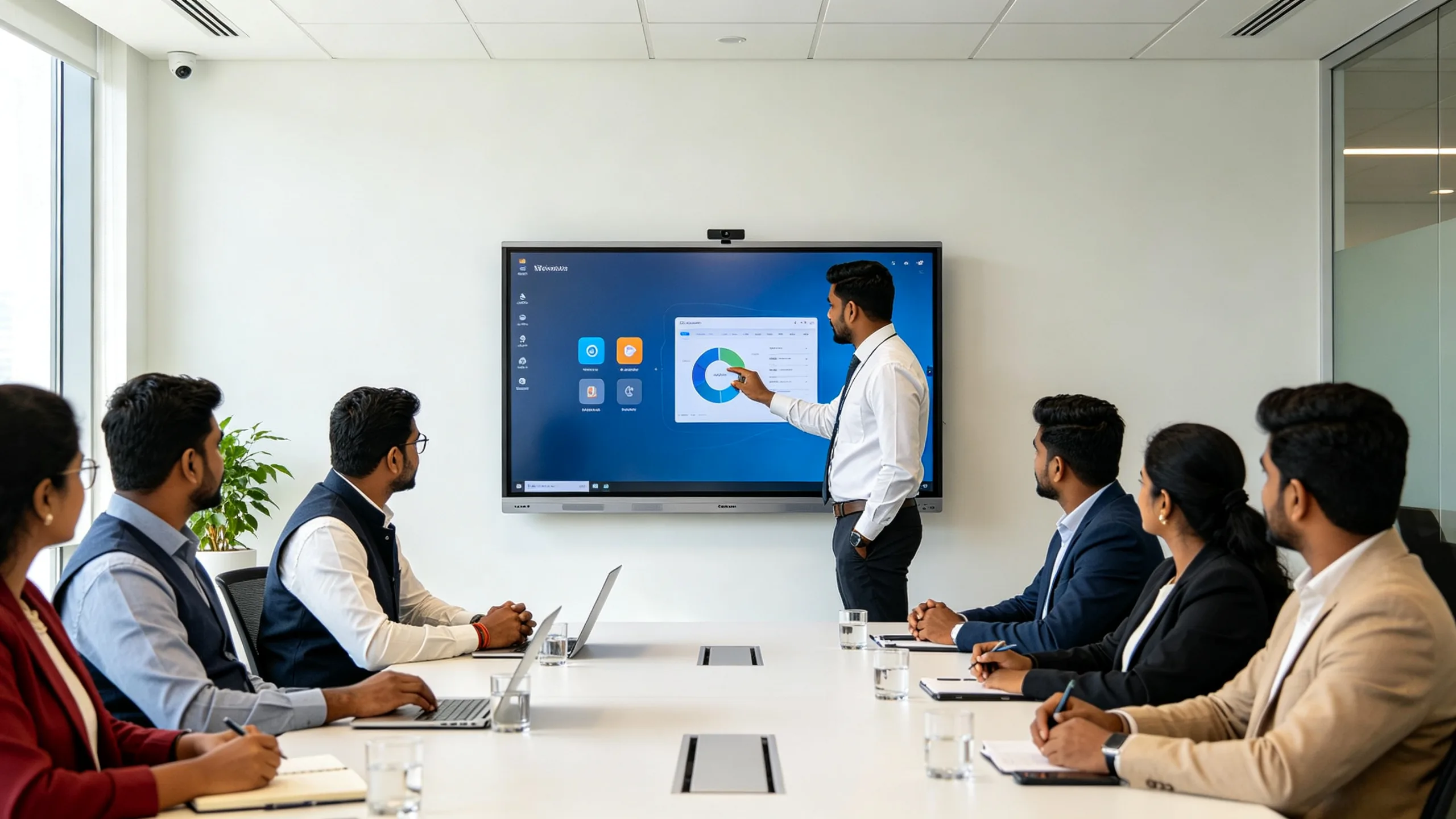
The honest answer is that there is no single digital smart board price in Nepal that applies to every buyer. A private school buying 20 panels for its classrooms pays a different per-unit price than a start-up buying one board for its conference room. A government procurement tender has different requirements — and a different price profile — than a hotel installing digital signage.
Size moves the number. Touch technology moves it — infrared costs less than capacitive, and for most classrooms and meeting rooms, infrared does the job. Configuration moves it: do you need a built-in camera and microphone array, or are you using your own? Do you need a Windows OPS module on top of the built-in Android? Every yes adds to the total, but it also means you are not buying peripherals separately — which, when you are importing into Nepal, means one less shipment to clear through customs.
LonTon, as a professional manufacturer, has been building interactive flat panels since 2005. Our panels ship to markets around the world, including South Asia, and each order is configured to what the buyer actually needs — not a one-size-fits-all catalog. Whether your project is one panel or fifty, you are buying directly from the factory that built it, with no trading company layering a markup in between. That matters when every layer in the supply chain adds to the price you pay in rupees.
If you are looking for a realistic digital smart board price in Nepal — not a number pulled from a pricing table but a quote built around your order size, your rooms, and your configuration — tell LonTon about your project. We will walk through what makes sense for your setup and give you a clear cost breakdown. Click the button at the bottom right of this page and tell us what you need. We will get back to you with answers, not a sales script.