
 English
What is the difference between a smart board and a whiteboard?
When people compare a smart board with a traditional whiteboard, the first question is usually simple: what is the difference? and we usually understand the difference between a smart board and a whiteboard is a technical question — Actually it is a purchasing decision that affects how your team works every day.In this article, I will explain the real differences for you between a smart board and a whiteboard from real user scenarios.
In a real purchasing decision, we usually care less about the technical differences themselves and more about whether the product is truly suitable for our real scenarios. Can it solve the problems we actually have? These are the questions that matter most.
Before comparing the two, let’s first take a closer look at what a traditional whiteboard and a smart board actually are.
What is a traditional whiteboard?
A traditional whiteboard is a simple writing surface used with dry-erase markers. It is commonly used in classrooms, offices, training rooms, and meeting spaces for quick notes, brainstorming, and basic presentations;For simple discussions, quick notes, and basic teaching, a whiteboard can still be a practical choice. It is affordable, easy to install, and has almost no learning curve.
But this simplicity also creates limitations.Once the content is erased, it is gone. Remote participants cannot interact with it clearly. It cannot display documents, videos, websites, or presentations. It also cannot save, share, or connect with the digital tools that many schools and businesses now use every day.

What is a smart board?
A smart board, also known as an interactive smart board or interactive flat panel display, is a digital touch screen that combines the functions of a whiteboard, computer, projector, and display into one device.Users can write directly on the screen, open files, show videos, annotate documents, share screens wirelessly, save notes, and join online meetings. This makes it much more suitable for modern classrooms, corporate meeting rooms, training centers, government projects, and commercial collaboration spaces.
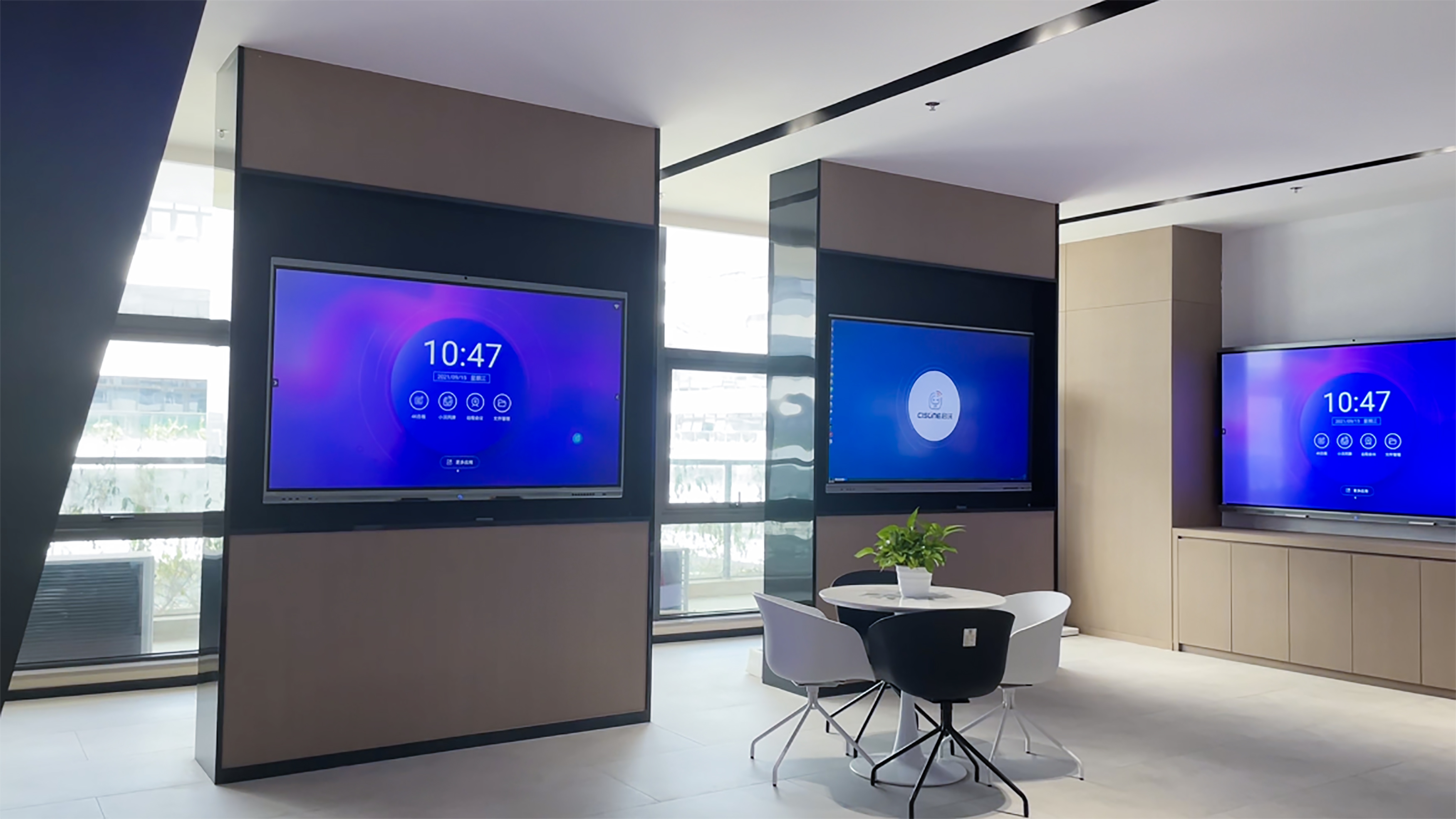
The real difference between a smart board and a whiteboard is not just how they look or what features they have, but what problems they are designed to solve. A traditional whiteboard mainly solves the need for simple writing and explanation in the same room. A smart panel, however, is designed to solve more complex needs in modern spaces, such as presenting PPT, playing videos, joining remote meetings, supporting multi-user interaction, saving meeting or classroom content, and connecting different devices more efficiently.
In simple terms, a smart panel keeps the basic writing function of a traditional whiteboard, while adding digital display, touch control, wireless screen sharing, content saving, and interactive collaboration to meet the needs of modern learning and working spaces.Now that we know what a traditional whiteboard is and what a smart board can do, the next step is not just comparing features one by one. In real purchasing decisions, buyers usually care more about one practical question: will this solution truly work for my space?
If your space only needs simple writing, a whiteboard may be enough. But if you need presentation, interaction, screen sharing, note saving, and digital collaboration, a smart board is usually the better long-term choice. As a Manufacturer-LonTon, this is exactly how we help our customers. We look at the real usage scenario first, then recommend the right interactive smart board solution for education, business, training, government, and commercial projects.
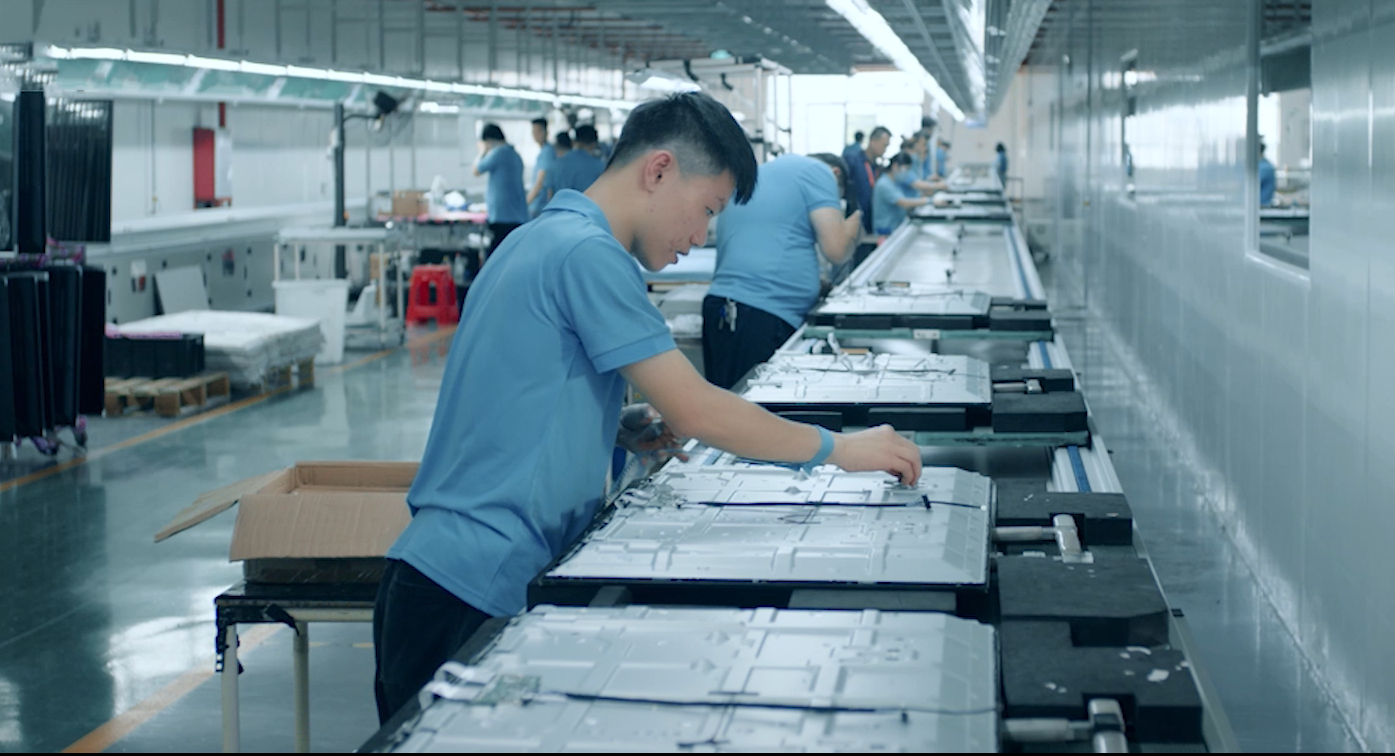
You may have already noticed a clear trend: smart panels are becoming more widely used in classrooms, meeting rooms, training centers, and many other professional spaces. But why is the demand for them growing? The reason is simple. In today’s digital era, traditional whiteboards can no longer meet all the needs of modern users.
For example, teachers may need to present PowerPoint slides, play audio or video materials, and record important classroom content. In corporate meeting rooms, teams may need wireless screen sharing, video conferencing, document annotation, and real-time collaboration. These are functions that a traditional whiteboard simply cannot provide.
So, if your project requires digital presentation, interactive communication, content saving, or remote collaboration, choosing a smart panel may be a more practical way to solve your real problems.
Ultimately, the key is not simply understanding the difference between a smart board and a whiteboard, but choosing the solution that best fits your needs. For basic writing and quick discussions, a traditional whiteboard may be enough. For digital teaching, business presentations, hybrid meetings, and interactive collaboration, a smart board offers far greater value.
If you are looking for a solution for your project, feel free to contact LonTon. Our team will help you find the right smart panel solution based on your actual needs.